Apples
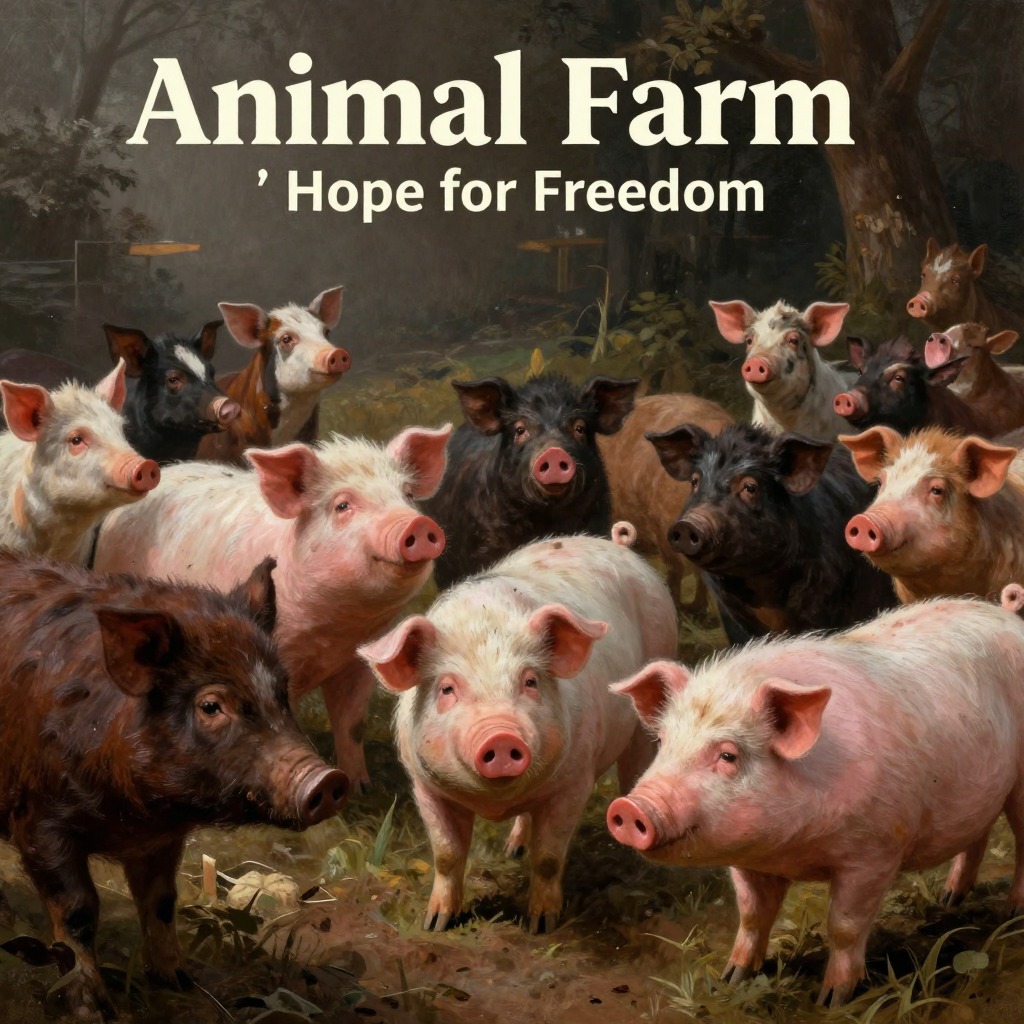
Animal FarmWhen the early apples ripened and the orchard grass became littered with windfalls, the animals of Animal Farm naturally assumed that these would be shared out equally. But the pigs issued an order that all the windfalls were to be collected and brought to the harness-room for the use of the pigs. This caused murmuring among the other animals, but the pigs, including both Snowball and Napoleon, were in full agreement. Squealer was sent to explain. He told the animals that the pigs' "sole object in taking these things is to preserve our health." He claimed that many pigs actually disliked milk and apples. The crucial point, he argued, was that if the pigs failed in their duty, "Jones would come back!" Since the animals were certain they did not want Jones back, they accepted the arrangement without further argument. It was agreed that the milk and the windfall apples, as well as the main crop of apples when they ripened, should be reserved for the pigs alone.
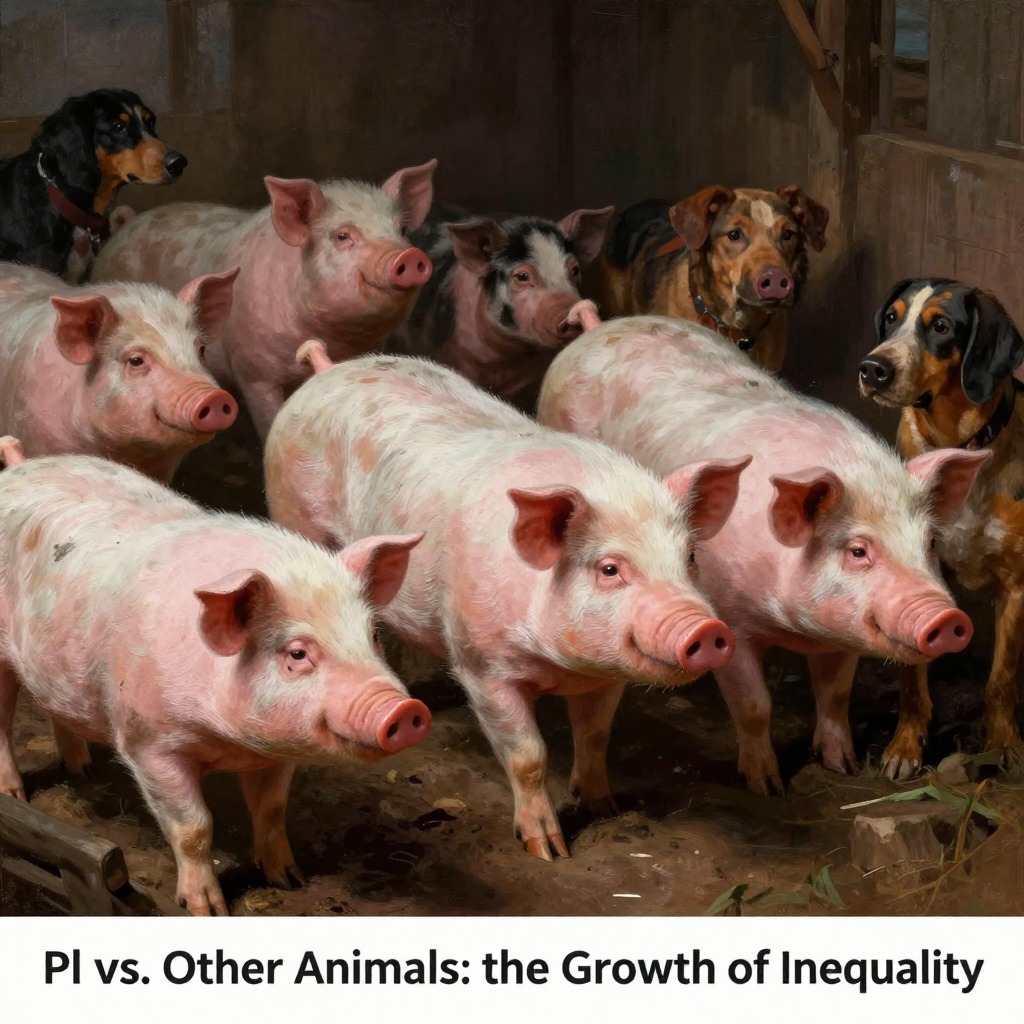
This monopoly on apples was part of a broader pattern of privilege that the pigs established early in the life of the new farm. The apples, like the milk, were not shared according to the principle of equality that the Rebellion had promised. Instead, the pigs justified their special diet as necessary for the brainwork on which the whole farm depended. The animals, deprived of the fruit of their own labor, acquiesced because the alternative—the return of Jones—was unthinkable.
Later, during the winter of hardship and the rebuilding of the windmill, apples took on another symbolic role. When Napoleon accused Snowball of destroying the windmill, he offered a reward: "half a bushel of apples to any animal who brings him to justice. A full bushel to anyone who captures him alive!" The apple, already a sign of privilege, now became a currency of loyalty and betrayal.
But there was one moment when apples were briefly distributed to all. After the victory in the Battle of the Windmill, despite the destruction of the mill and the death of several animals, Napoleon declared a celebration. As part of the rejoicing, "a special gift of an apple was bestowed on every animal." This rare gesture of equality, however, did not change the fundamental rule that the apples belonged to the pigs. The temporary sharing only underscored the usual inequality.
In the end, the apples—along with the milk, the beer, and the other luxuries—became emblems of the pigs' transformation into a new ruling class. The animals who grew the apples, who gathered the windfalls, and who watched the pigs consume them, never fully tasted the fruit of their own labor. The apple, once a simple windfall, became a measure of how far the farm had strayed from the dream of a society where all animals were truly equal.